


Indonesia

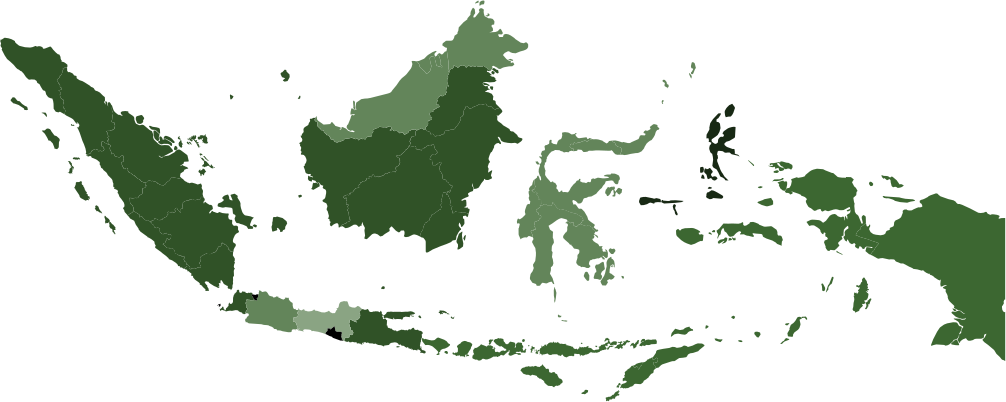
In total, we surveyed 1,492 internal migrants in Indonesia across 8 provinces. The data below reflects the full sample of 1,492 internal migrants surveyed, including those who did not face weather impacts at source or destination locations.
Migration in Indonesia is largely driven by economic reasons. Many individuals leave their villages due to a lack of job opportunities, low wages, or unstable livelihoods. Environmental stressors such as unpredictable weather and land-related challenges also influence migration decisions. The cumulative impact of economic and climate factors makes migration a vital coping strategy.
Migration in Indonesia is often with family. Many migrate with spouses, children, or other relatives. Migrating with friends or fellow villagers is also common, reflecting strong social ties that support mobility and adaptation.
Long-term migration was more common in the country. A possible reason for this is the high migration costs associated with them returning to their home or village. For instance, due to the archipelagic landscape of the country, the most likely and quickest (though extremely expensive) mode of transport would be by air.
Extreme weather related disruptions have significantly affected Indonesian migrants, with most reporting impacts both at their home villages and destination locations.
Weather impacts at destination locations are notably high, suggesting challenges persist even after migration.
No. of migrants not impacted negatively by extreme weather
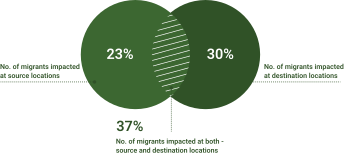
Are reported being affected by weather events either at home or in both home and destination areas.
Are reported experiencing weather-related impacts where they currently live or in both locations.
These findings highlight how climate stressors are affecting migrants throughout their journey, underscoring the need for integrated support across rural and urban areas.
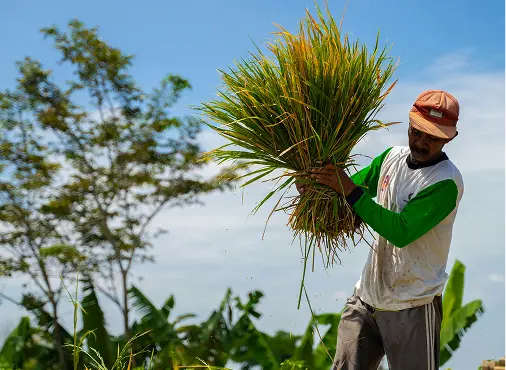
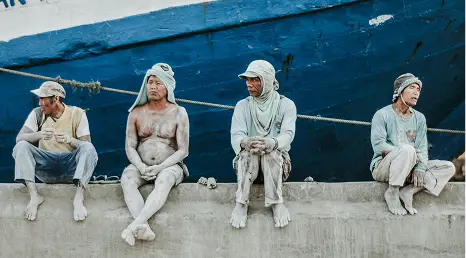
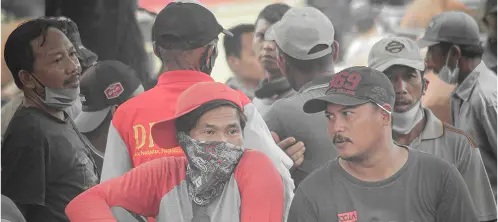
Migrants from Indonesia report that extreme weather has primarily led to crop losses, followed by job loss and interruption in workdays leading to wage loss. Job loss in Indonesia was considerably higher at source locations. This increasing vulnerability and direct impacts on work could also explain why migrants in Indonesia move for longer durations.
 58% Crop loss
 14% Other
 28% Wage loss
.webp) 5% Emplyoment related asset loss
5% Emplyoment related asset loss
.webp) 15% Wage cut
15% Wage cut
 37% Job loss
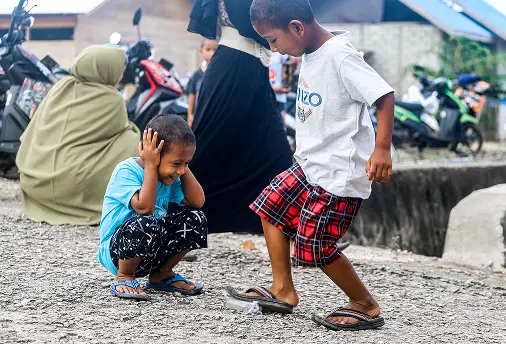
In Indonesia, weather disruptions have led to moderate challenges for rural households. Many reported food insecurity and health-related issues due to extreme weather. Access to essential services such as water and transport was also affected, though large-scale damage or loss was relatively limited. These events highlight the vulnerability of basic infrastructure and wellbeing even in less severe weather episodes.

.svg)


.webp)
.webp)