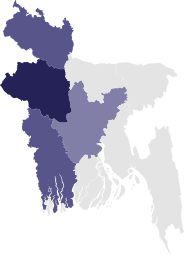


Bangladesh

In Bangladesh, the sample size was 2,505, which is representative of approximately 13.7 million internal migrants in the country. This accounted for 10% of the total sample across five countries.
Primary drivers of internal migration were challenges to livelihoods, lack of job opportunities and low wages at source locations in Bangladesh. Although less frequently cited, a comparatively significant proportion of participants mentioned migrating because of weather related disasters.

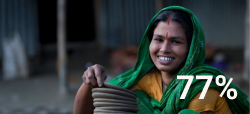
Generally migrants move with their spouses but a large segment also mentioned migrating alone. The high rate of individual migration points to heightened possibilities of increased vulnerability and isolation at destination location, as social networks are missing.
Migration in Bangladesh is seasonal in nature, with people migrating for short durations. A very small segment of participants mentioned long-term migration and an even smaller portion mentioned being permanent migrants.
Virtually, all participants surveyed mentioned being impacted by weather events at source locations, destination locations or both.
However, a large majority of participants were impacted at their source locations, followed by both at source and destination locations.Since a smaller section was impacted at destination locations only, it could be deduced that migration might help to escape extreme weather impacts at source locations.
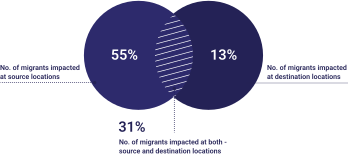
At source locations, 84% of 1,255 surveyed migrants reported being negatively impacted by weather events either in their home areas or in both source and destination locations.
At destination locations, 49% of 1,250 surveyed migrants reported similar climate-related challenges.
These findings highlight the significant role of climate stressors in shaping the migration experience for many in Bangladesh.
Extreme weather events have had severe effects on agricultural livelihoods. The most common impacts include crop loss, wage loss and wage cuts. Livestock losses were also prominent. Many also reported losing their jobs. With virtually no households reporting no impact, the data underscores how deeply extreme weather events are tied to economic impacts especially for those reliant on agriculture.
 73% Crop loss
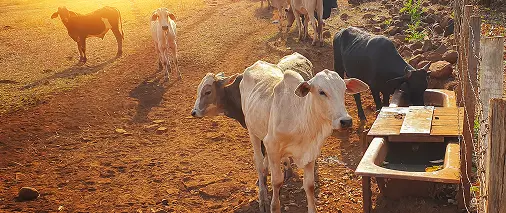 37% Animal loss
 64% Wage loss
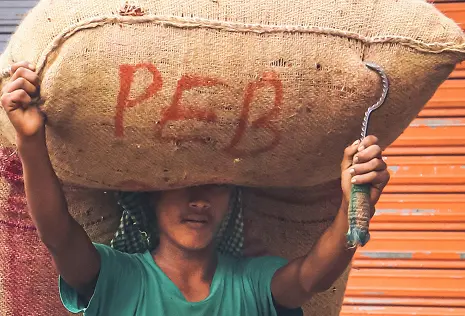 10% Work related asset loss
 41% Wage cut
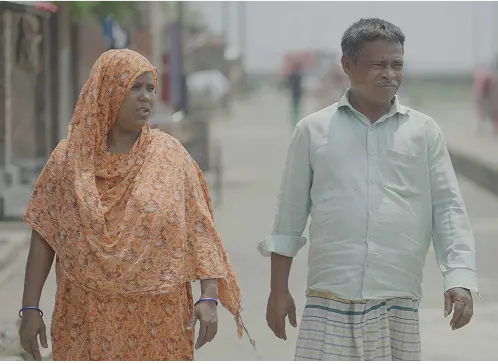 24% Job loss
The impact of extreme weather events on households is both widespread and severe. A huge majority experienced food insecurity, followed by severe impacts on health, housing structure and access to water. Virtually no one in the sample was unimpacted.
Food Insecurity
Health related issues
House damaged
Limited or damaged access to water or sanitation
Transportation routes in/out of village damaged/slowed
Communication Methods Slowed Or Lost
House destroyed
Loss of household assets
Lost access to health services

.svg)