

India
.svg)
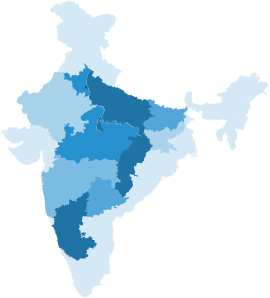
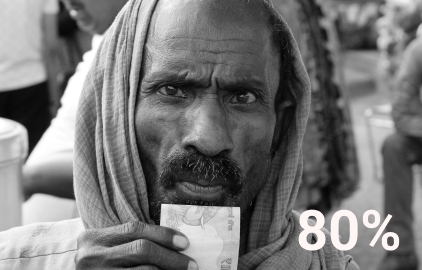
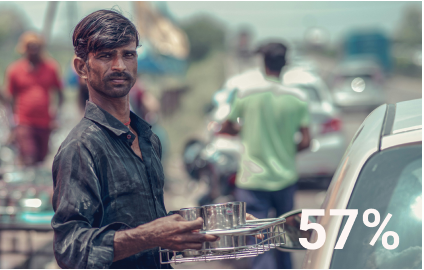
In India, 13,540 migrants were surveyed, making up 57% of the total sample across the five countries studied. This larger sample size reflects the scale of India’s internal migration, with an estimated 140 million individuals migrating for work. As a result, the survey sample is intentionally weighted to ensure appropriate representation of this vast and diverse migrant population.
The primary reasons for migration from villages in India are overwhelmingly economic. Environmental challenges, such as damaged land and shelters, or disasters like floods and droughts, also contribute to the push factors. While marriage and other social reasons were mentioned, economic necessity remains the dominant driver of internal migration.
Migrants from India often travel with close family members, particularly spouses and children. A notable number migrate alone as well. Who migrates with them often reflects social ties, trust, and support systems during the migration journey.
Most migrants in India tend to engage in short- to medium-term migration, often returning to their home villages after staying at the destination for a few months or years. A smaller portion migrates permanently or only once, while others follow a recurring seasonal or annual migration cycle.
A significant portion of internal migrants in India have experienced adverse effects from weather-related events.
The majority of respondents reported being impacted either in their villages, destinations, or in both locations. This dual vulnerability, at both the origin and destination locations can create a new set of challenges for internal migrants.
No. of migrants not impacted negatively by extreme weather
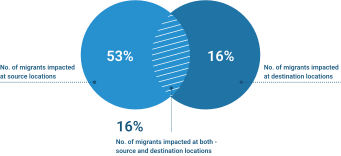
At source locations, 70% of 10,415 migrants reported being affected by weather events at home or at both home and destination.
At destination locations, 36% of 3,125 migrants reported similar impacts where they currently live or in both locations.
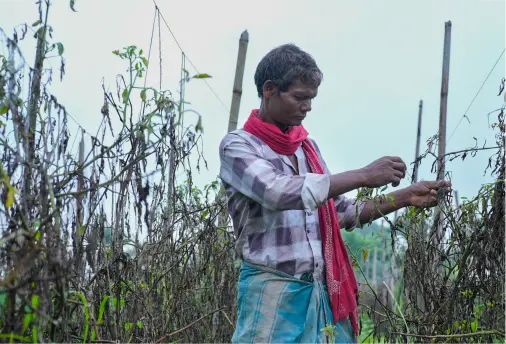
In India, weather events have had a considerable effect on rural livelihoods. Migrants reported experiencing wage reductions and work disruptions as frequent consequences. Crop loss emerged as a major concern, followed by job losses and loss of animals or work-related assets. These impacts highlight the deep vulnerability of agrarian and informal workers to weather-related disruptions, particularly in rural source locations.
 43% Crop loss
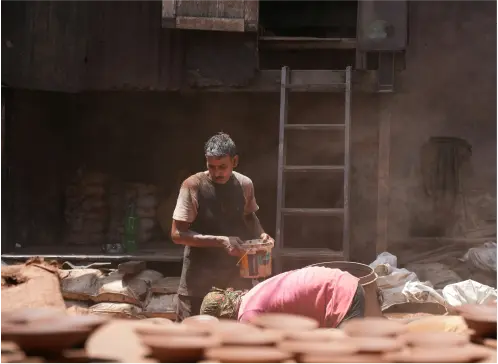 11% Job loss
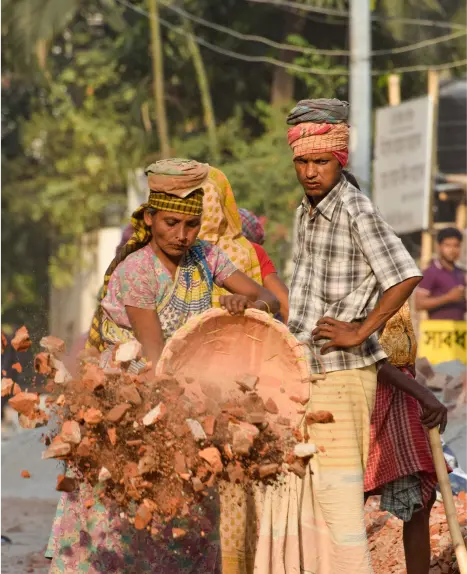 57% Wage loss
56% Wage cut
57% Wage loss
56% Wage cut
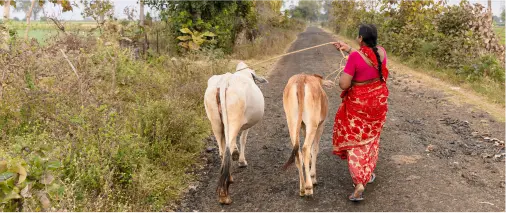 8% Animal loss
Extreme weather events have significantly disrupted household life in rural India. Migrants reported housing damage, food insecurity, and health issues as the most common impacts. The majority reported multiple overlapping vulnerabilities affecting basic living conditions.
Weather-related disruptions at migrant destinations have affected various aspects of household well-being. Many migrants reported health issues, food insecurity, and damage to their homes. The majority highlighted a broad spectrum of stressors triggered by extreme weather events.